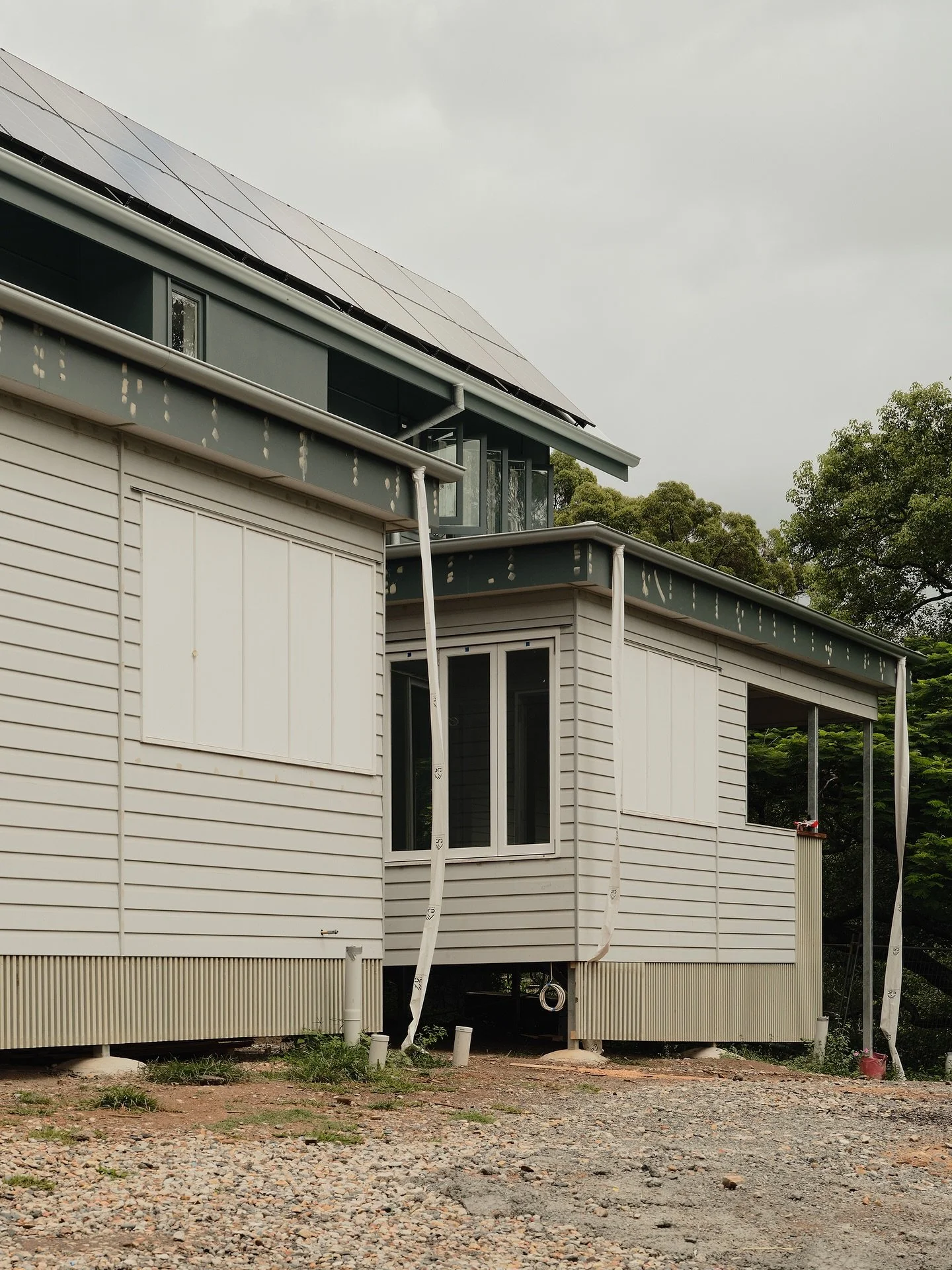
A client of ours recently signed a contract for his new major renovation. Along the way he mentioned that another builder had also priced his plans, and that their number was slightly lower than ours. He chose us anyway, and he asked me a fair question: why can two builders price the same job and come back with different numbers?
It's a question every person building or renovating in Brisbane should ask, and the honest answer is more interesting than "one builder is cheaper".
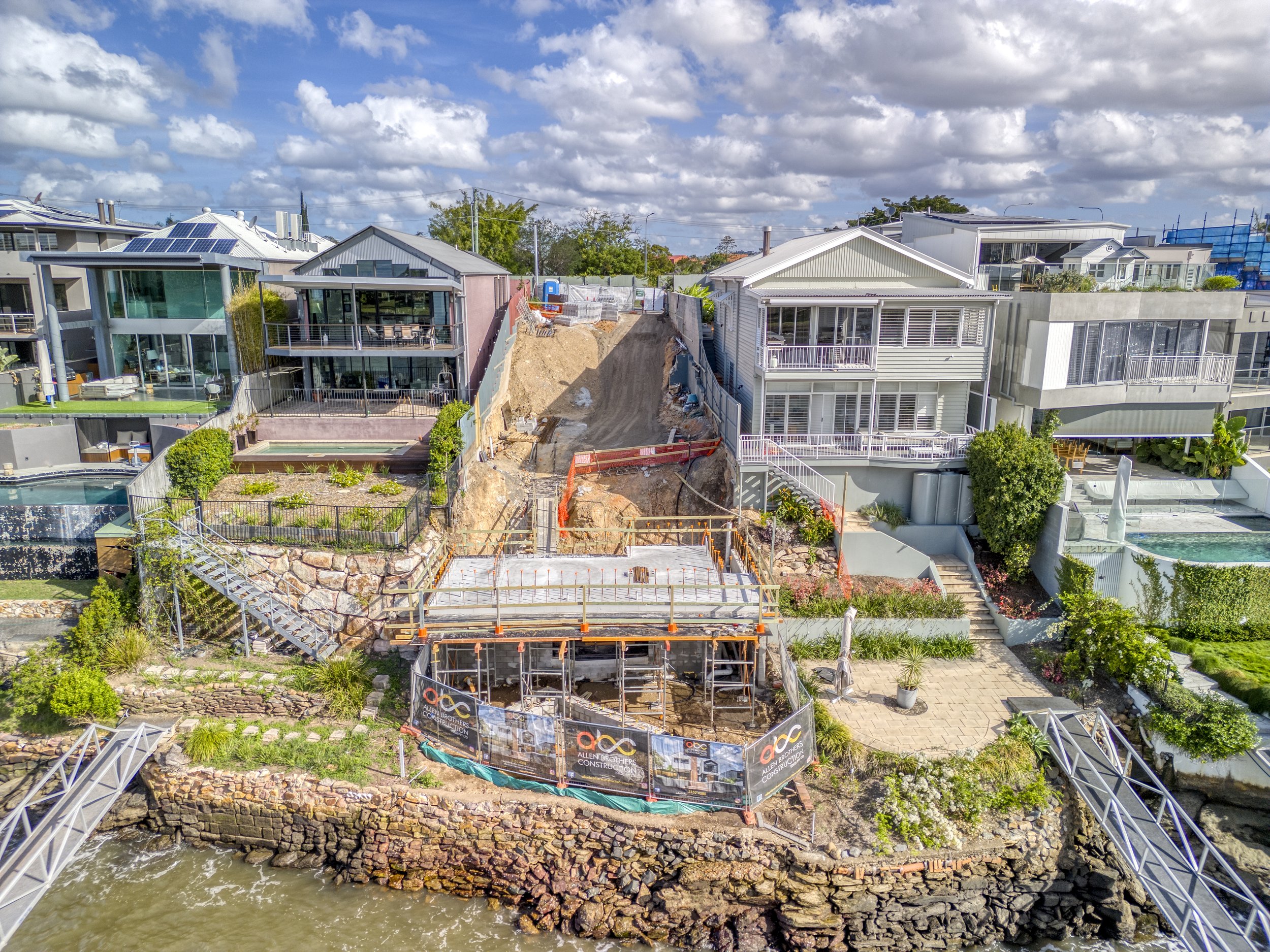
Same plans, same specs, different price
When you hand two builders the same set of plans and specifications, it's natural to assume they'll be pricing exactly the same thing. Apples for apples.
In practice, it couldn't be much further from the truth.
Plans and specifications tell a builder what is being built. They say very little about how it will be built, what could go wrong along the way, or what the builder has learned from doing it a few hundred times before. Two builders can read the same drawings and make very different decisions about all of that, and every one of those decisions has a cost.
It's usually not about margin
Most people picture a quote as a simple formula: get the subcontractor prices, work out materials and labour, add a margin on top. If that were the whole story, the only difference between two quotes would be the margin.
In our experience, that's rarely where the gap comes from. We've been in business for nearly 14 years, and our margins haven't moved by more than a percent here or there in that time. Yet our prices today are higher than they were 5, 8 or 10 years ago.
The reason is that we allow for more than we used to. Every project teaches us something, and what we learn gets built into the next price.
Our running costs have gone up over those years, as they have for every business. So has the amount of work we turn over compared with our earlier days. Put together, our margin as a percentage sits in about the same place it always has.
A small example: timber decking
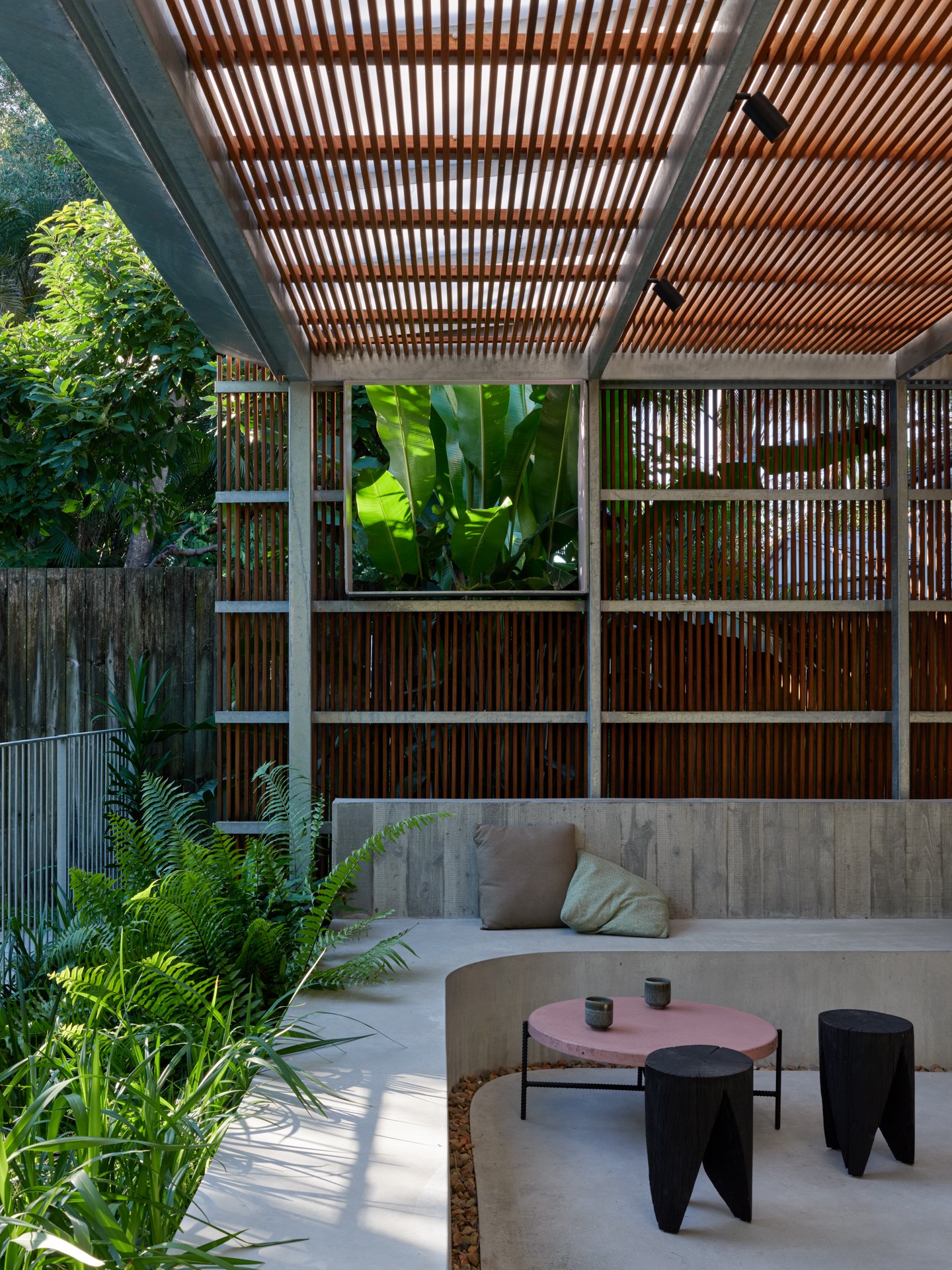
One of our current projects includes roughly 100 m² of timber decking. A simple way to price it is materials plus the labour to lay the boards. Plenty of builders would do exactly that.
Here's what we also allow for whenever we build a timber deck:
Extra labour, typically two tradespeople for a day
A drum of good-quality oil
Paintbrushes and other auxiliary materials
A coat of oil on the undersides of every board before it's laid
Why? Because once the deck is down, the underside of those boards can never be reached again. Sealing them first helps the timber cope with moisture from below and gives the deck a better chance of lasting well. We know to do it because we've learned from experience on previous projects.
That's a very minor example on a single line of the budget. A client comparing two quotes would likely never see it. It simply shows up as a slightly higher number on one of them, with a better deck at the end.
Now multiply that thinking across an entire house, whether it’s a major renovation or one of our custom new builds

Beyond the decking: more of what sits behind our price
Decking is one of the smaller examples. Here are some of the bigger ones.
Waterproofing. We waterproof both internally and externally, and we go above and beyond what the code requires. A leak is costly and disruptive to fix once the home is finished, so we allow for doing it properly the first time.
Termite protection. We include it in our pricing as a proper part of the build, because it's far easier to build in than to retrofit.
Burnished and polished concrete slabs. With these finishes, we do a number of extra things to help minimise shrinkage cracking. Those steps add time and cost, but they make a real difference to how the slab looks and performs.
Protecting finished surfaces. Flooring and cabinetry are protected throughout the build, using extra labour and protection materials, so the finishes you chose are in the condition you expect at handover.
None of these shows up as a line on a set of plans. All of them show up in the price, and in the finished home.
Where the differences hide
The gap between two quotes tends to sit in the things that don't appear on the plans:
Methods. There are many ways to build the same detail. Some are quicker and cheaper up front; others take more time and cost more but perform better for longer.
Allowances for lessons learned. Extra steps, extra materials and extra labour that a builder has added over the years because they've seen what happens without them.
What's included and what isn't. Provisional sums, prime cost items and exclusions can look similar on paper but be worlds apart in what they actually cover.
Site conditions and access. How realistically a builder has accounted for the site, the weather and the order of trades.
Detail in the pricing itself. A builder who has worked through the job line by line will usually price it differently from one who has used rough rates.
How to compare quotes properly
If you're weighing up two or more builders, a few questions will tell you far more than the bottom-line number:
Are the inclusions and exclusions the same? Ask each builder to list what isn't covered.
How are allowances handled? Look at provisional sums and prime cost items, and ask how each figure was reached.
What methods and materials are assumed? Ask them to explain their approach on a few key items.
How well did they understand your project? Did they ask questions, visit the site and challenge anything in the plans?
How do they communicate? The pricing stage is often a preview of how the build will run.
A lower quote isn't automatically a bad one, and a higher one isn't automatically better. The point is to understand why the numbers differ before you decide.
Why we put the effort in at the pricing stage
When our client chose to build with us, he told me it came down to communication, and to the value he could see in how we approached the preliminary stages: checking that everything was accounted for, and a bit more besides.
That's exactly how we like to work. We'd rather spend the time up front working through the detail, so the price you sign is one you can trust, than win a job on a number that comes undone halfway through the build.
If you're planning a custom home, renovation or house raise in Brisbane and want a quote that shows its working, get in touch with our team. We're happy to walk you through exactly what's in our price and why.
Follow us on Instagram